
Arvada Municipal Court Warns: Criminal Convictions Not Being Recorded Without a Marshal
The Arvada City Council held two workshop sessions on April 14, 2026 — no formal votes were taken. The first workshop was the City Attorney's Office annual update, the first such presentation ever given by that office. City Attorney Rachel Morris and her team presented an overview of their three divisions (civil, criminal, and risk/safety), highlighting 616 contracts completed, 19 active lawsuits, 7,760 citations processed, and $250,000 recovered for the city in 2025. The second workshop featured Municipal Court Judge Katie Curts, who presented the court's annual update, including a transition to paperless case management, rising caseloads projected to reach nearly 11,000 cases in 2026 due to a fully staffed police department, and significant successes in the One Small Step (OSS) homeless diversion court program.
Judge Curts raised urgent concerns about the lack of a permanent court marshal, showing three videos of courtroom incidents including a defendant walking out during sentencing, a juvenile who had to be physically removed and later charged with felonies, and another individual who approached the bench in a threatening manner. She also noted that without a court marshal to fingerprint convicted defendants, none of Arvada Municipal Court's criminal convictions are currently being recorded in the state database — a significant public safety gap. Council member Fifer raised concern that a court marshal position had previously been approved and then disappeared, and asked staff to investigate what happened.
City Manager Wick provided brief staff updates, announcing that the Kitefest drew 10,000–12,000 attendees, and that Canyon Pines has officially been incorporated into the Arvada Fire Protection District after a years-long effort. The council's next meeting on April 21 will include public hearings and a 4 p.m. executive session, and a strategic planning retreat is scheduled for Saturday.
First-ever annual report from the city attorney; no formal options debated, but council asked questions on staffing, data, and Axon integration
Rising caseloads, paperless court success, and urgent security gaps dominate court's first major council presentation in years
Where each member landed
| COUNCILMEMBER | VOTE | CITY ATTORNEY'S OFFICE ANNUAL UPDATE POSITION | |
|---|---|---|---|
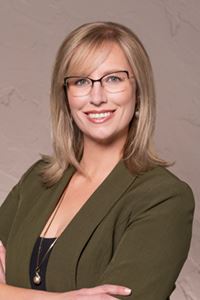
|
Lauren Simpson
Mayor
720-961-3779
|
Absent from vote | — |
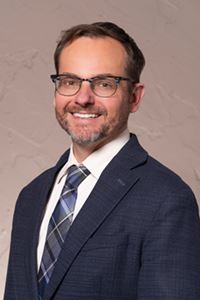
|
Randy Moorman
Mayor Pro Tem · District 1
720-772-6651
|
Absent from vote | — |
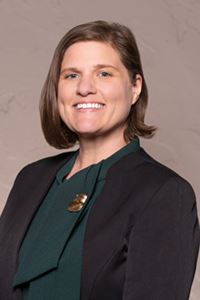
|
Shawna Ambrose
Councilmember · District 2
970-425-3060
|
Absent from vote | Asked about unlabeled pie chart segments and requested context on spikes in legal service requests, particularly for parks and pre-pandemic comparisons. |
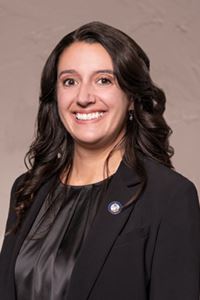
|
Rebecka Lovisone
Councilmember · District 3
720-898-7000
|
Absent from vote | Asked how current legal tools and staffing align with upcoming code changes, including short-term rental regulations. |
|
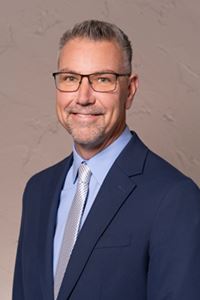
Bob Fifer
Councilmember · District 4
303-929-4278
|
Absent from vote | Praised the team's efficiency and concise presentation; noted the importance of public transparency and expressed appreciation for the annual coin tradition. |
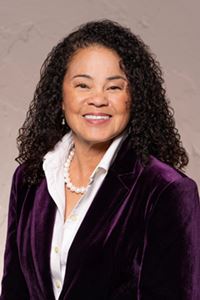
|
Sharon Davis
Councilmember · At-Large
720-450-4825
|
Absent from vote | Praised the risk management and safety program, especially the use of Origami Risk software and the cause-mapping approach to preventing repeat workers' comp incidents. |
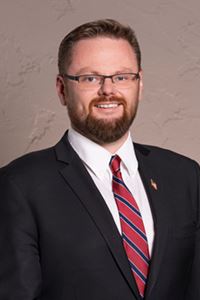
|
Michael Griffith
Councilmember · At-Large
720-898-7000
|
Absent from vote | Asked whether APD officers had weighed in on the Axon Justice case management system and flagged concern that efficiency gains for one department shouldn't burden another. |
On the calendar
Water Stage 1 drought restrictions took effect April 15, 2026 — the day after this meeting — and Judge Curts mentioned the court may soon handle water restriction violation appeals, which could add to its already-rising caseload. The April 21 council meeting will include public hearings and a 4 p.m. executive session, making it a significant agenda to watch. A council strategic planning retreat is scheduled for the Saturday following this meeting, which may shape budget priorities including the court marshal position and court expansion.
Of E-Bikes and Marshalls
• Follow up on the court marshal gap: When exactly was the previous marshal position approved and eliminated? Who made that decision and why? City manager's office or finance should have records. • The fingerprinting/conviction-recording gap is a significant public safety story: How many convictions have gone unrecorded, and for how long? What offenses are affected? Has this allowed repeat offenders to avoid scrutiny? • Judge Curts projected 10,800 cases in 2026 — a 40% increase over 2025. What resources are being requested in the next budget cycle to handle this, and is the city prepared? • The One Small Step program reports 65 people housed since 2021 and declining chronic homelessness case numbers. This is worth a standalone story with the case managers, nonprofit partners, and formerly homeless participants (with consent). • The fairness and transparency bill requiring live streaming of municipal courts: What is the exact deadline? What happens if Arvada isn't compliant by then? • HB 25-1112 allowing municipalities to handle motor vehicle registration violations — what is the timeline for Arvada adopting this, and what is the projected volume of new cases? • E-bike enforcement: What ordinances currently apply? Is council considering new ordinances or minimum fines? Griffith's suggestion to have juveniles read essays to council is a potential community engagement angle. • Canyon Pines fire district inclusion took 'years' — what were the obstacles and who were the key stakeholders? Now that it's resolved, what development work can proceed?